August 22, 2026
Chloe Byrne
The Royal Navy spent 21 days in July monitoring Russian naval activity around UK waters and the North Atlantic.
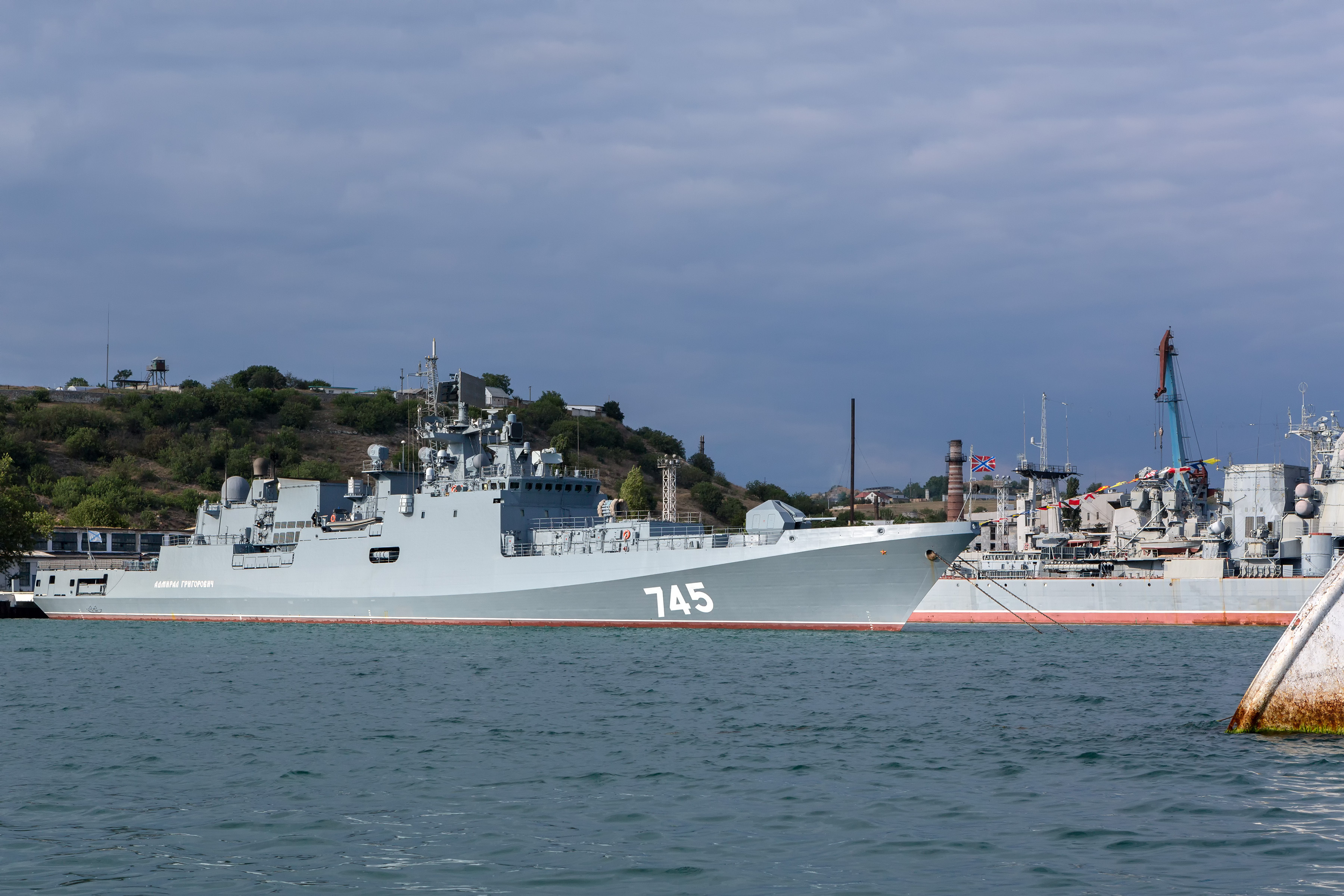
In May, it was 25 days. In April, Royal Navy ships or aircraft monitored the Russian frigate Admiral Grigorovich every single day. Across the first seven months of this year, monitoring activity is up 25%. This is becoming a permanent operational requirement across all European Navies.
But ships, aircraft and crews are finite. Every day spent shadowing a vessel is a day that asset is not available for something else.
This is the problem we built Live Maritime Intelligence to solve.
LMI starts with risk.
A model of the maritime domain predicts where risk is developing: a tanker going dark near critical infrastructure, an unusual ship-to-ship rendezvous, a vessel loitering or behaving unexpectedly.
LMI then orchestrates the best-placed sensor to take a closer look. Where onboard processing is available, the observation can be analysed in orbit and detections delivered in minutes.
Radar, optical, AIS, RF and other intelligence can then be fused into a single picture. And every new observation updates the risk picture and helps determine where to look next.
Predict. Observe. Confirm. Update. Repeat.
Live Maritime Intelligence is in operational use with European government customers today. For a navy, this changes the arithmetic. The sensors maintain the watch. Ships and aircraft respond when the intelligence says they are needed.
Persistent awareness without persistent deployment.